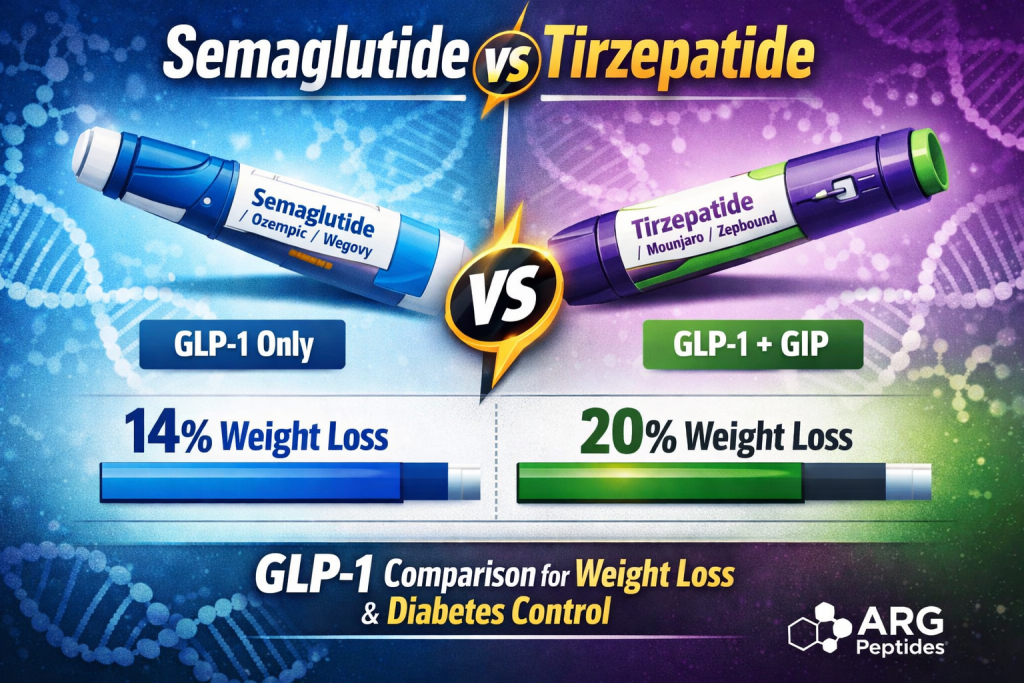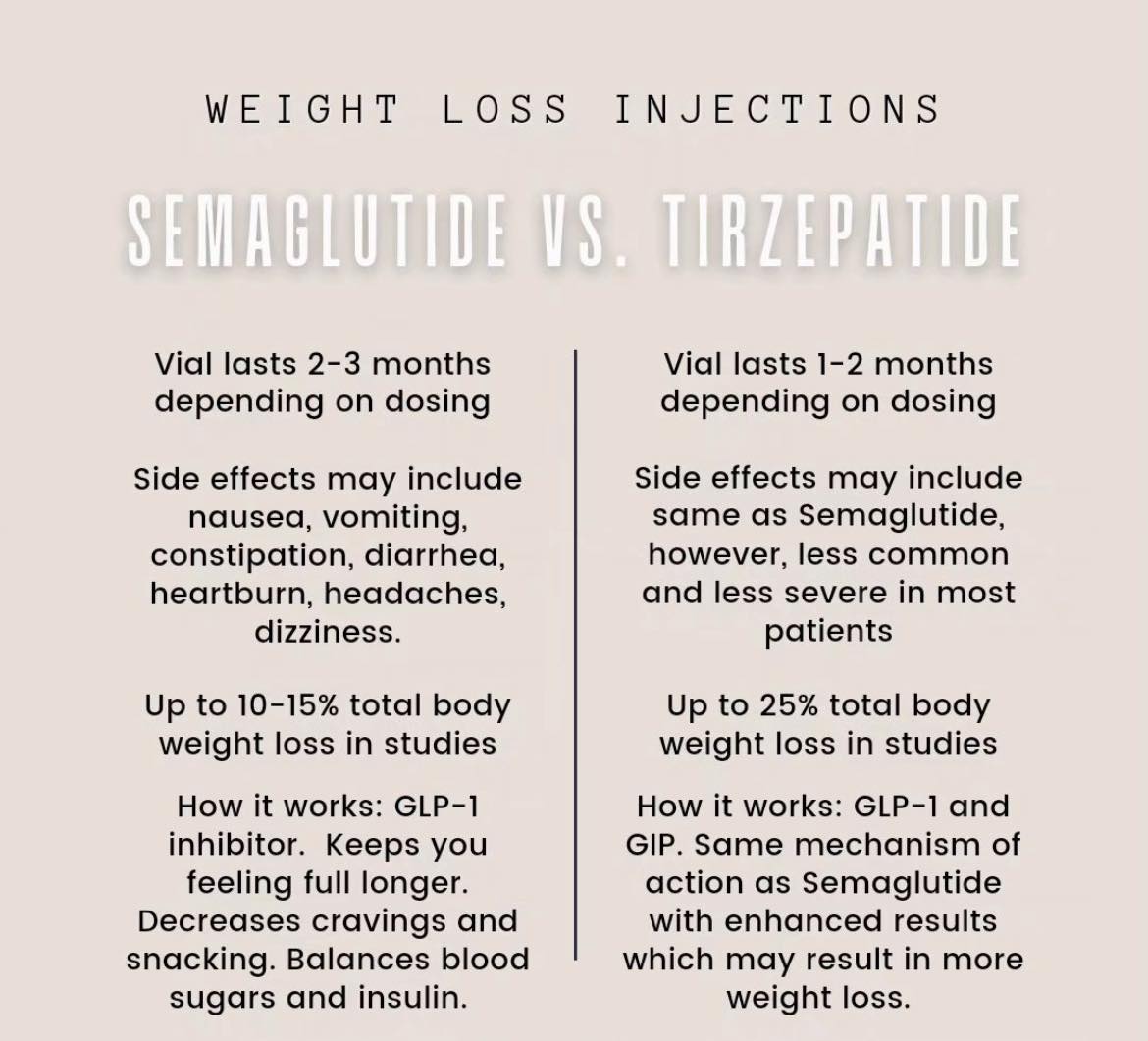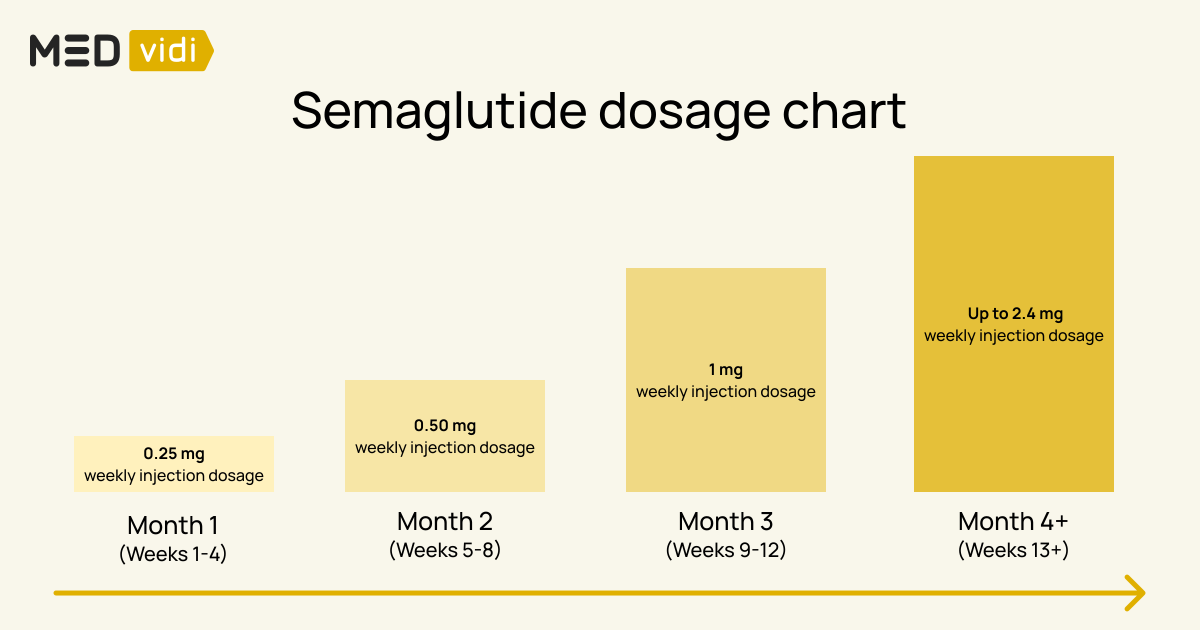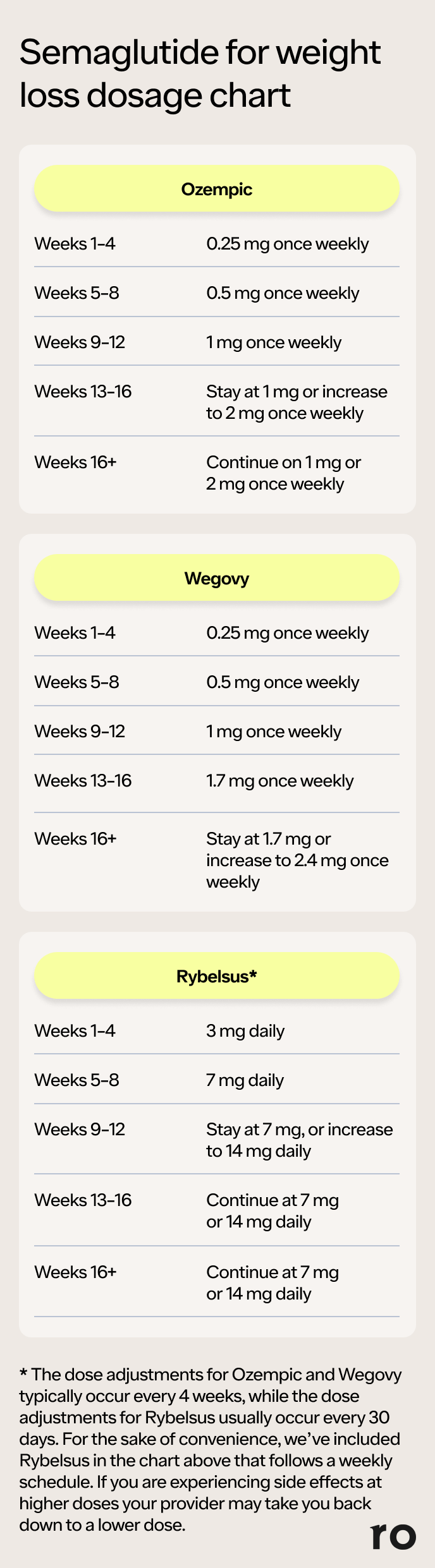
In STEP 1, patients receiving the highest dose (2.4 mg weekly) lost an average of 14.9% of their starting body weight over 68 weeks, compared to 2.4% in the placebo group

Food Choices: What to Favor and What to Avoid Grilled chicken breast, turkey Fish and seafood (salmon, cod, shrimp) Eggs and egg whites Greek yogurt and cottage cheese Beans, lentils, and legumes Lean beef (sirloin, 93% ground) Protein shakes (when appetite is suppressed) Leafy greens: spinach, kale, romaine Broccoli, cauliflower, Brussels sprouts Whole grains: brown rice, quinoa, oats Chia seeds (fiber + protein in small portions) Apples, pears, berries Beans and legumes (fiber + protein) Avocado Olive oil Nuts and seeds Fatty fish (salmon, mackerel) Sodas and sweetened drinks Fruit juices and sports drinks Sweetened coffee drinks Candy, pastries, flavored yogurt Packaged snack foods with added sugar Fried foods (worsens nausea significantly) Fast food Fatty processed meats Chips, crackers, refined snack foods White bread, white pasta, white rice Alcohol (amplifies GI side effects) Spicy or highly acidic foods Large, heavy meals High-fat, high-sodium fast food Unsaturated fats from olive oil, avocado, and fatty fish may support GLP-1 secretion and provide important fat-soluble vitamins (A, D, E, K)

All authors had full access to the articles reviewed in this manuscript and take complete responsibility for the integrity and accuracy of this manuscript
Research suggests it may exhibit greater bioavailability in cell-based models, making it the preferred form in formulations targeting one-carbon metabolic pathways
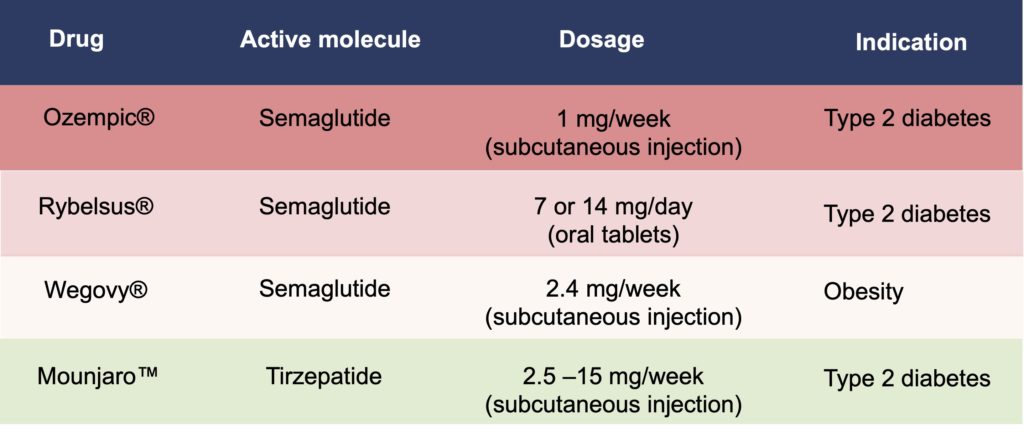
While it contains the same active ingredient as Ozempic and Wegovy, its oral formulation and lower doses make it less effective for weight loss